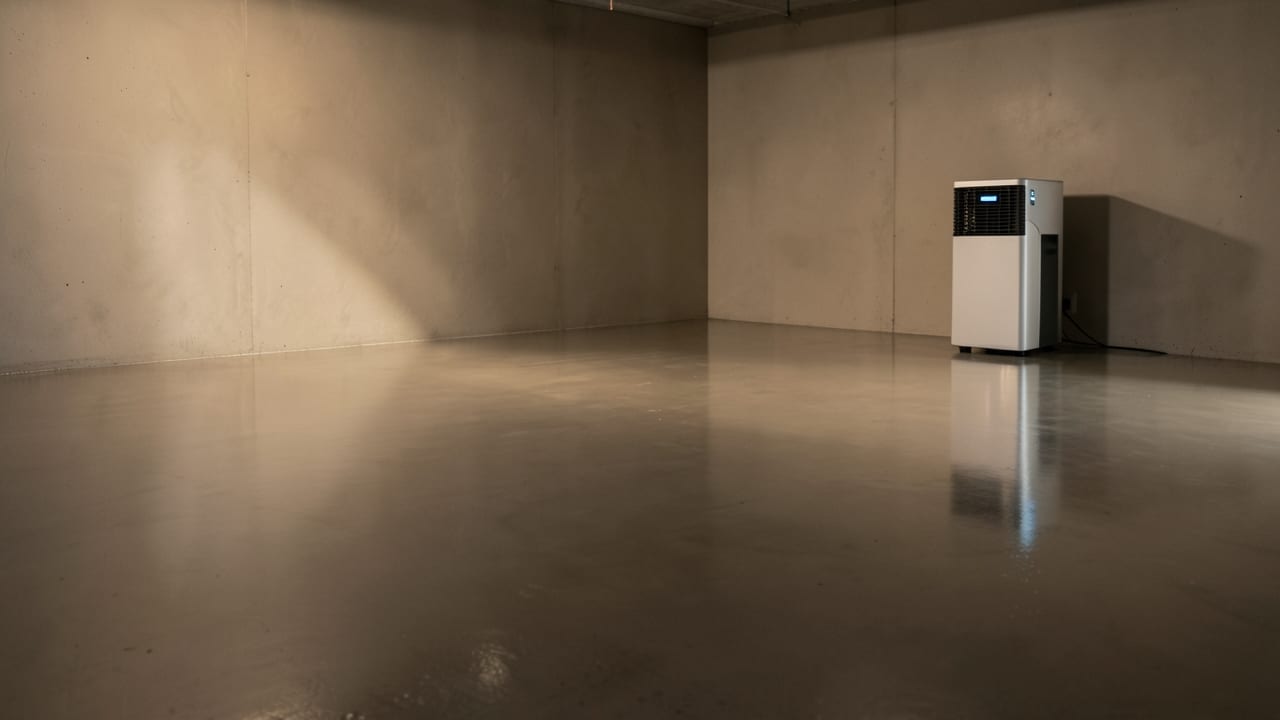
Post-Remediation Sealing
Applying protective sealants to surfaces after mold remediation to prevent future growth.
Post-remediation sealing in Randolph, MA, protects your home after mold removal by applying specialized coatings to treated surfaces. This step helps prevent moisture absorption and future mold growth, ensuring the remediation lasts longer and keeps your living space safe.
Proper sealing is part of a full mold cleanup process that includes containment, removal, drying, and testing.
We also handle Bathroom Mold Removal and Carpet Mold Treatment for Randolph properties.
When is post-remediation sealing needed?
Post-remediation sealing is typically recommended after mold removal when porous materials like drywall, insulation, or carpet padding have been disturbed or removed. It’s also needed if non-porous surfaces—such as framing or tile—were treated with antimicrobial coatings or sealants to prevent regrowth.
Without sealing, even properly dried and cleaned areas can remain vulnerable to moisture, leading to recurrence.
Signs you may need sealing include visible mold returning in the same spot after cleanup, a musty odor persisting despite visible removal, or dampness in areas where mold was previously active.
If your home has had mold remediation but hasn’t addressed the moisture source causing it, sealing helps protect the treated areas while you work on long-term fixes like improving ventilation or fixing leaks.
Signs Post-Remediation Sealing May Be Needed
- Mold reappears in the same location within months of removal
- A musty smell remains even after visible mold is gone
- Dampness or condensation persists in treated areas
- Porous materials (drywall, insulation) were removed during cleanup
- Non-porous surfaces (framing, tile) were treated but not sealed
What affects the cost and process?
The cost of post-remediation sealing depends on the size of the treated area, the type of sealant used, and the condition of the surfaces being sealed. Basic vapor barriers are less expensive than full encapsulation coatings, but both help inhibit moisture absorption.
Labor costs also vary based on accessibility—sealing tight or hard-to-reach spaces (like behind appliances or in crawl spaces) takes longer and may increase the total price.
Timing matters too. Sealing should happen as soon as possible after remediation while surfaces are still dry, but delays can occur if additional repairs (like fixing leaks or improving ventilation) are needed first.
Always confirm whether the quote includes inspection, testing, or clearance verification—these steps are critical to ensuring the sealing will be effective long-term.
What to expect during the process
After mold remediation, sealing creates a protective barrier to keep moisture out of treated areas. The process involves cleaning surfaces thoroughly, applying a sealant or coating, and allowing it to cure properly. This step is especially important in high-moisture areas like basements, bathrooms, or kitchens, where humidity levels can fluctuate.
Proper sealing helps extend the life of repairs and reduces the risk of mold returning.
Homeowners should also monitor humidity levels in sealed areas for the first year, using a hygrometer to track readings. If dampness or condensation reappears, it may signal an unresolved moisture issue that needs attention before sealing fully protects the space.
Keep sealed areas dry and well-ventilated. Use dehumidifiers or fans in persistently damp rooms (like closets or windowless bathrooms) to prevent moisture buildup, which can undermine the sealant’s effectiveness over time.
How post-remediation sealing works
Sealing treated surfaces is the final step in mold remediation, creating a barrier against moisture.
- 1Surface Preparation
All treated surfaces are cleaned and dried to remove dust, debris, and any remaining mold spores. Porous materials like drywall may be replaced, while non-porous surfaces (framing, tile) are scrubbed and treated with antimicrobial solutions.
- 2Sealant Application
A specialized coating or encapsulant is applied to the cleaned surfaces. This sealant is designed to block moisture absorption while allowing the material to breathe, reducing the risk of trapped dampness.
- 3Curing Time
The sealant is allowed to cure fully, which typically takes 24–48 hours. During this time, the area should remain undisturbed to ensure the coating adheres properly.
- 4Final Inspection
After curing, the sealed area is inspected for completeness and effectiveness. Any gaps or missed spots are touched up to maintain a continuous barrier.
- 5Post-Sealing Monitoring
Homeowners should check sealed areas periodically for signs of dampness or mold recurrence. Addressing moisture sources (like leaks or poor ventilation) remains critical to long-term success.
Frequently asked questions
Can I seal mold-treated areas myself, or should I hire a professional?
DIY sealing is possible for small, non-critical areas, but professionals ensure proper containment, surface prep, and use of high-quality sealants. Mistakes—like skipping containment or using the wrong product—can leave moisture trapped behind the seal, leading to hidden regrowth. For most homes, hiring a licensed contractor is the safer choice.
How long does post-remediation sealing last?
The lifespan of a sealant depends on the product used and how well moisture is controlled afterward. Most coatings last 5–10 years if surfaces stay dry and ventilation is adequate. Over time, sealants may degrade or wear thin, requiring reapplication.
Will sealing hide mold that wasn’t fully removed?
Sealing alone doesn’t address hidden mold—it only prevents moisture from reactivating growth. If mold was missed during remediation, sealing won’t make it disappear. That’s why clearance testing (air or surface sampling) is essential before sealing to confirm the area is truly clear.
Do I need to seal areas where only non-porous surfaces (like tile or metal) were treated?
Sealing isn’t always required for non-porous surfaces if they were thoroughly cleaned and dried. However, if antimicrobial treatments were applied, a sealant can help lock in the protection. Consult your remediation contractor to determine whether sealing is recommended for your specific case.
See Hanson, MA for more, or check out everything on offer in Randolph in full for our complete lineup.
Ready to get started?
Talk to a local mold remediation pro in Randolph — get a written quote.
Other Mold Remediation Services in Randolph
Bathroom Mold Removal in Randolph, MA
Professional assessment and removal of mold in bathrooms to restore a safe, clean environment.
Learn More
Carpet Mold Treatment in Randolph, MA
Professional assessment and removal of mold growth from carpets to restore a safe indoor environment.
Learn More
Garage Mold Removal in Randolph, MA
Professional assessment and removal of mold growth in garages to restore a safe, clean space.
Learn More
Laundry Room Mold Cleanup in Randolph, MA
Professional mold removal and remediation in laundry rooms to restore a safe, clean space.
Learn More
Ceiling Mold Removal in Randolph, MA
Professional removal of mold growth from ceilings, including containment and cleanup.
Learn More
Flood Damage Mold Remediation in Randolph, MA
Professional mold removal and remediation after flood damage in homes.
Learn MoreCommon Questions About Mold Remediation in Randolph
Everything you need to know about mold remediation services in Randolph
How much does Post-Remediation Sealing typically cost in Randolph, MA?
Why does Randolph, MA's humidity make mold a bigger risk than in drier regions?
Can mold growing inside HVAC ductwork spread to the rest of a home?
Does mold mean the same thing as mildew?
Does homeowners insurance typically cover mold remediation?
Is black mold actually more dangerous than other mold types?
Need Mold Remediation in Randolph?
Connect with local providers in Randolph for a detailed quote.
⏰ We answer your call • Serving all of Randolph and surrounding areas