
Tile & Grout Mold Cleanup
Professional removal of mold from tile and grout surfaces in bathrooms, kitchens, and other tiled areas.
Tile and grout mold cleanup in Randolph, MA, targets black, green, or white mold growth caused by excess moisture in tiled areas like showers, backsplashes, and floors.
The process involves deep cleaning, sanitizing, and sealing grout lines to prevent regrowth, with containment and HEPA filtration to keep spores from spreading during remediation.
We also handle Crawl Space & Basement Mold Remediation and Attic Mold Remediation for Randolph properties.
When tile & grout mold cleanup is needed
Visible mold growth on tiles or grout lines—especially if it covers more than a small, isolated patch—is a clear sign that professional cleanup is needed. Repeated mold growth in the same spot after cleaning often means the moisture source, such as a leak or poor ventilation, hasn’t been addressed.
Musty odors with no visible mold suggest hidden growth, possibly inside walls, under flooring, or within HVAC ductwork. If the smell intensifies when the heating or cooling system runs, the mold may be spreading through the ducts, affecting multiple rooms.
Signs It’s Time for Professional Cleanup
- Mold covering more than a small, isolated patch (typically over 25 contiguous square feet).
- Mold returning in the same spot after cleaning, indicating an unresolved moisture issue.
- A persistent musty smell with no visible mold, especially when the HVAC system is on.
- Visible mold on grout lines, tiles, or surrounding surfaces that doesn’t respond to DIY cleaning.
What affects pricing and scope?
The size of the affected area is the primary factor in pricing, with costs varying based on the square footage of mold growth and the surfaces involved.
For example, tile and grout cleanup in a single room typically ranges widely depending on the extent of contamination and whether black mold is confirmed.
Additional services, such as containment setup, HEPA air scrubbing, structural drying, and clearance testing, may be priced separately. A full remediation job—including moisture source identification and repair—will cost more upfront but helps prevent future regrowth.
What to watch for in a quote
A reliable quote for tile and grout mold cleanup should clearly outline what’s included—such as inspection, containment, remediation, and clearance testing—and avoid vague language about ‘surface cleaning’ or ‘spot treatment.’ Always ask whether the estimate covers fixing the moisture source, as remediation without this step often leads to regrowth.
Red flags include quotes that exclude containment or testing, pressure to sign a contract immediately, or bids significantly lower than others for the same scope. A written scope of work with itemized pricing protects against unexpected costs later.
| Red Flag | Why It’s a Concern |
|---|---|
| No mention of containment or clearance testing | Spores may spread during work, and there’s no confirmation the job was fully effective. |
| Pressure to sign the contract during the inspection visit | A legitimate scope of work requires time to review and compare bids. |
| Full payment requested before any work begins | Removes leverage if the job isn’t completed as promised. |
| Vague area estimates (e.g., ‘small bathroom’ instead of square footage) | Makes it difficult to compare bids accurately. |
How tile & grout mold cleanup works
- 1Containment Setup
Plastic sheeting and negative-air machines seal the work area to prevent spores from spreading during removal. This step ensures airborne spores stay contained rather than migrating through hallways or HVAC systems.
- 2Removal and Cleaning
Porous materials like drywall or insulation that can’t be cleaned are cut out and bagged, while non-porous surfaces like tile and grout are scrubbed and treated with antimicrobial solutions. HEPA-filtered equipment is used to capture spores during cleaning.
- 3Structural Drying
Industrial dehumidifiers and air movers reduce moisture levels in framing and subfloors to prevent mold regrowth. This step is critical, as mold thrives on damp materials even after visible traces are removed.
- 4Clearance Testing
An independent lab conducts air or surface sampling to confirm spore counts are back to normal levels before containment is removed. This step verifies the remediation was effective and the space is safe to reoccupy.
Frequently asked questions
Can I clean tile and grout mold myself, or should I hire a professional?
Small patches of mold can sometimes be cleaned with household products, but professional remediation is recommended for growth covering more than 25 square feet, recurring mold, or hidden contamination. Professionals use containment, HEPA filtration, and clearance testing to ensure spores don’t spread.
What causes mold to keep coming back after cleanup?
Mold regrows when the moisture source—such as a leak, condensation, or poor ventilation—isn’t fixed. Even after remediation, checking humidity levels and addressing airflow issues in damp rooms helps prevent recurrence.
Do I need to leave my home during the cleanup process?
While containment minimizes exposure, some disruption is typical. Professionals will advise whether you can stay on-site or if temporary relocation is safer, especially in severe cases where spores may still be airborne.
How long does the entire cleanup and drying process take?
The timeline varies by scope, but containment, removal, drying, and testing can take anywhere from a few days to over a week, depending on the size of the affected area and moisture levels.
See Dover, MA for more, or find out about the mold remediation work we do around Randolph by neighborhood for our complete lineup.
Ready to get started?
Talk to a local mold remediation pro in Randolph — get a written quote.
Other Mold Remediation Services in Randolph
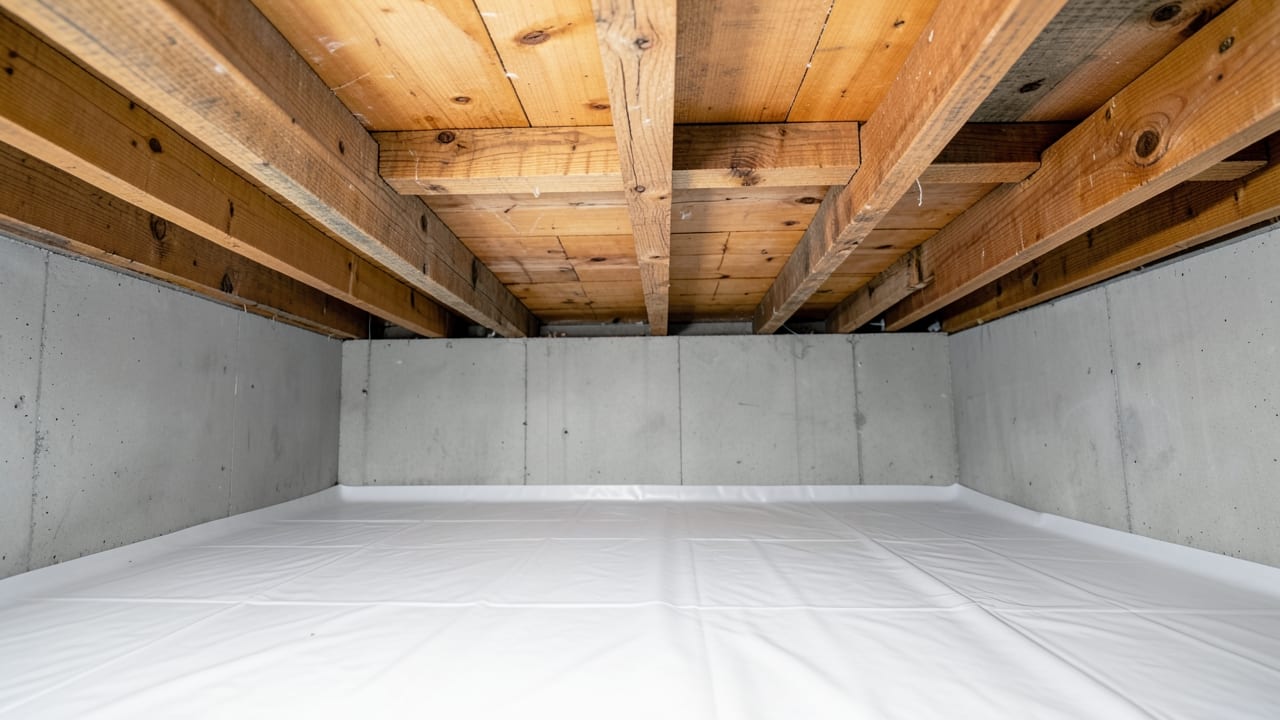
Crawl Space & Basement Mold Remediation in Randolph, MA
Crawl space and basement mold remediation in Randolph, MA addresses the two areas of a property most prone to trapped, unnoticed moisture.
Learn More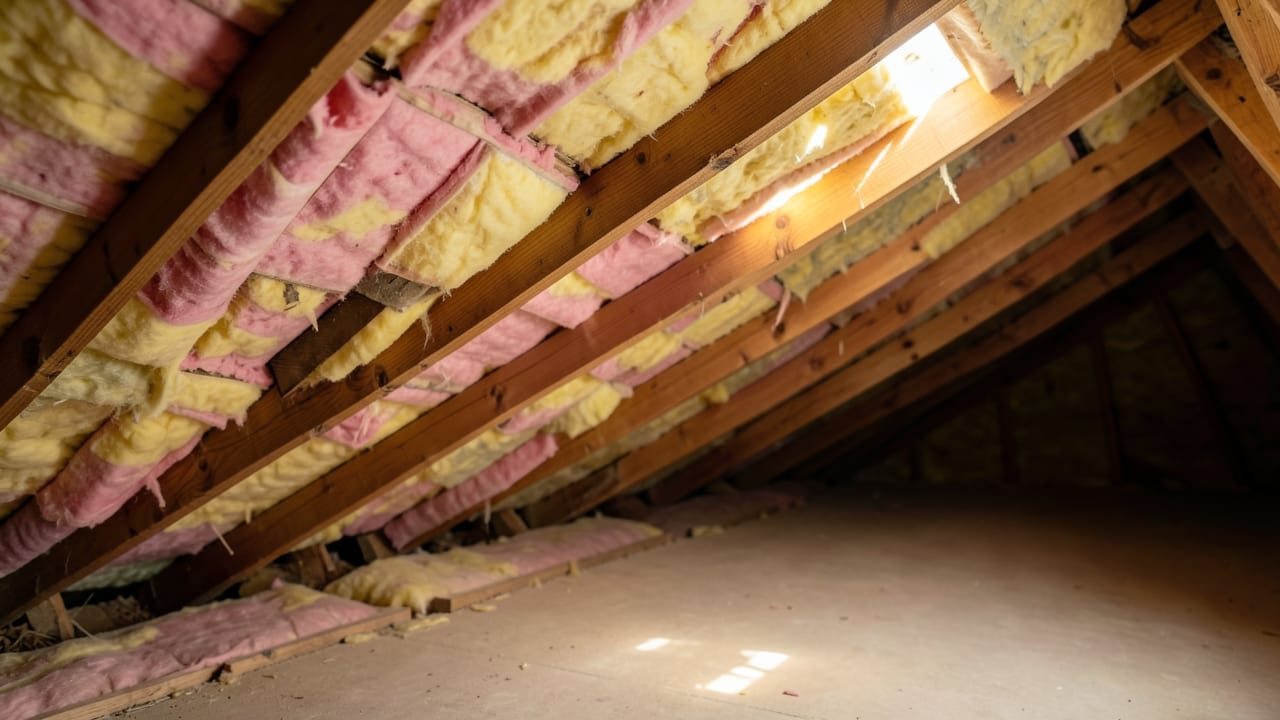
Attic Mold Remediation in Randolph, MA
Attic mold remediation in Randolph, MA addresses roof-deck growth typically caused by poor ventilation or a hidden roof leak.
Learn More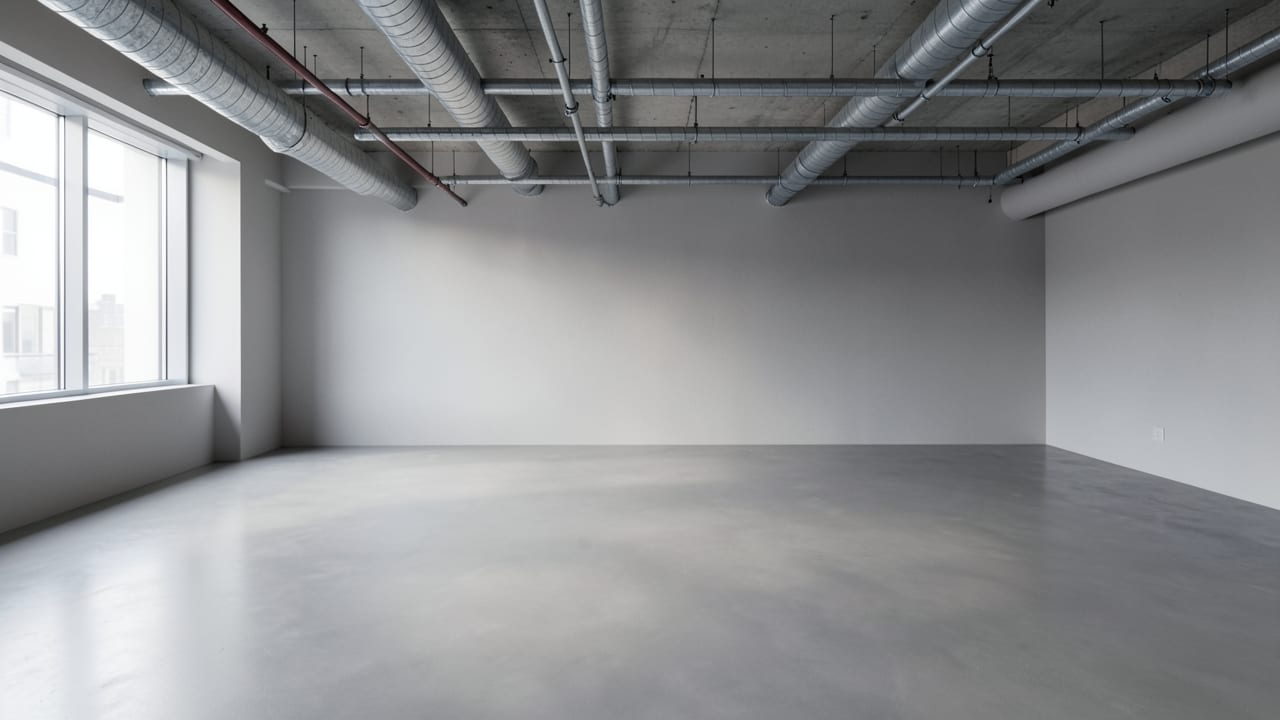
Commercial Mold Remediation in Randolph, MA
Commercial mold inspection and remediation in Randolph, MA for offices, retail space, and multi-unit properties, scheduled around business operations.
Learn More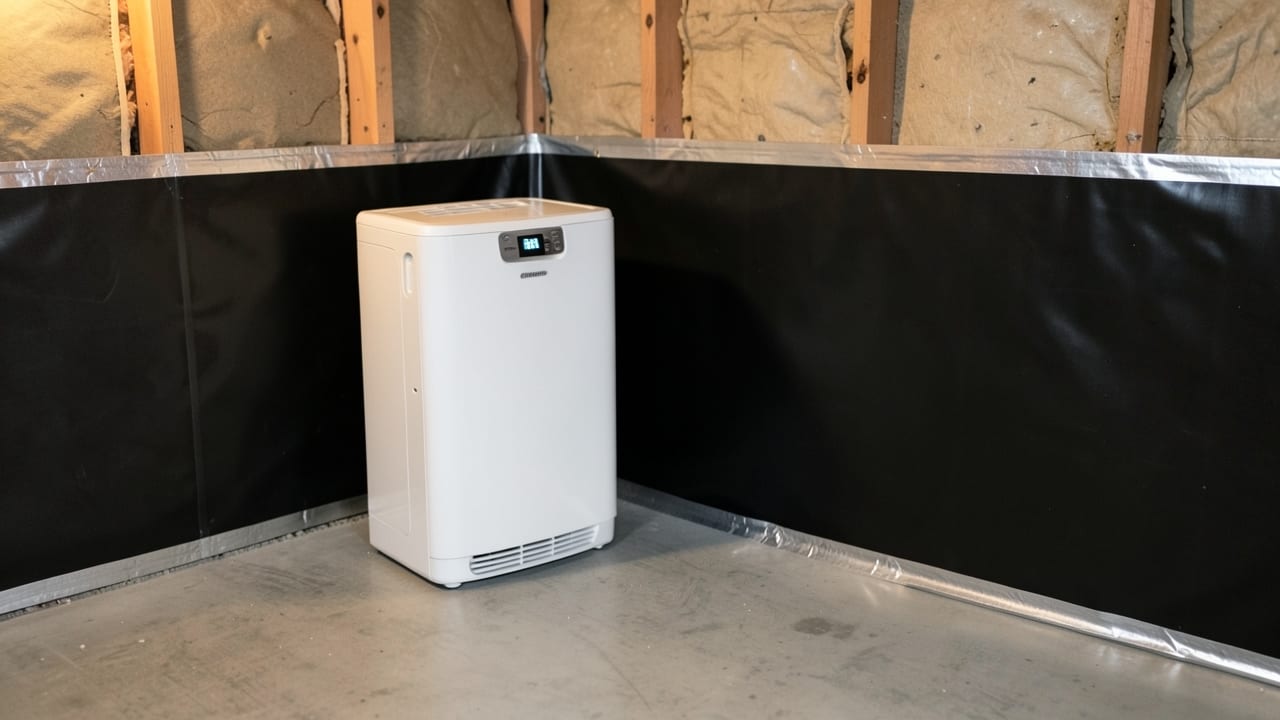
Mold Prevention & Moisture Control in Randolph, MA
Mold prevention and moisture control in Randolph, MA — addressing ventilation, humidity, and drainage before growth starts, not after.
Learn More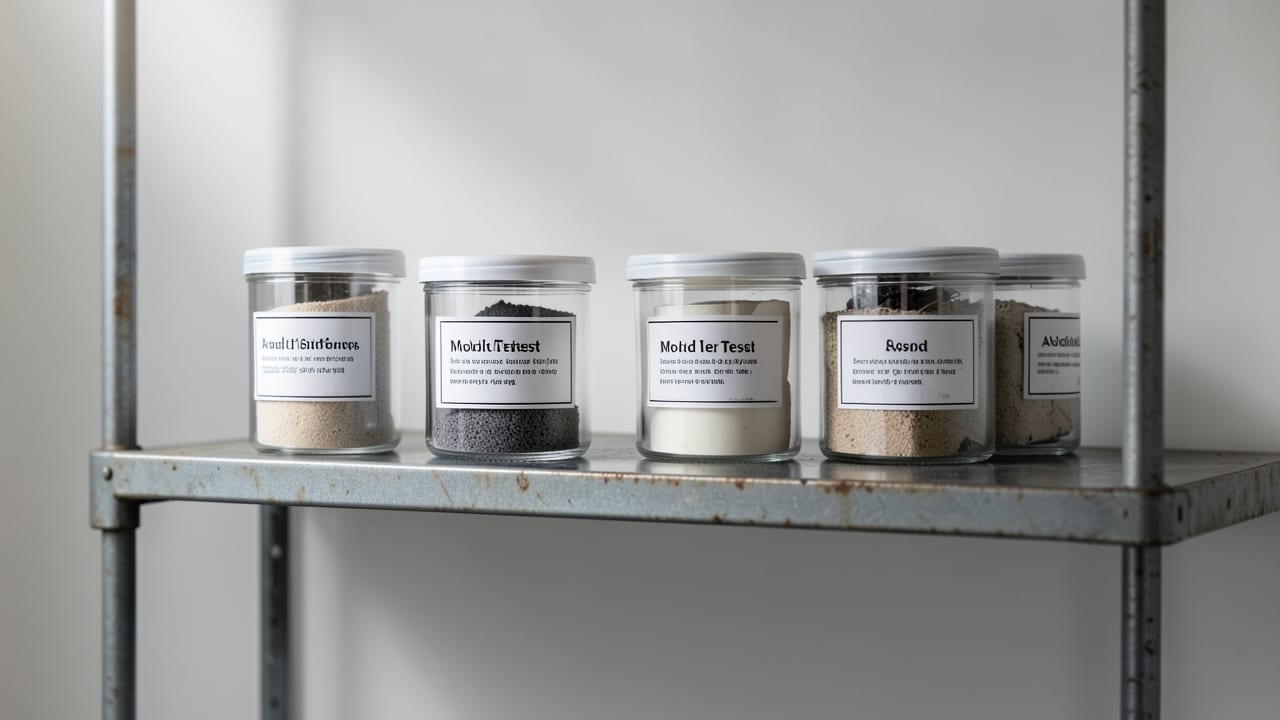
Mold & Asbestos Testing in Randolph, MA
Combined mold and asbestos testing in Randolph, MA — one inspection visit, lab-verified results for both.
Learn More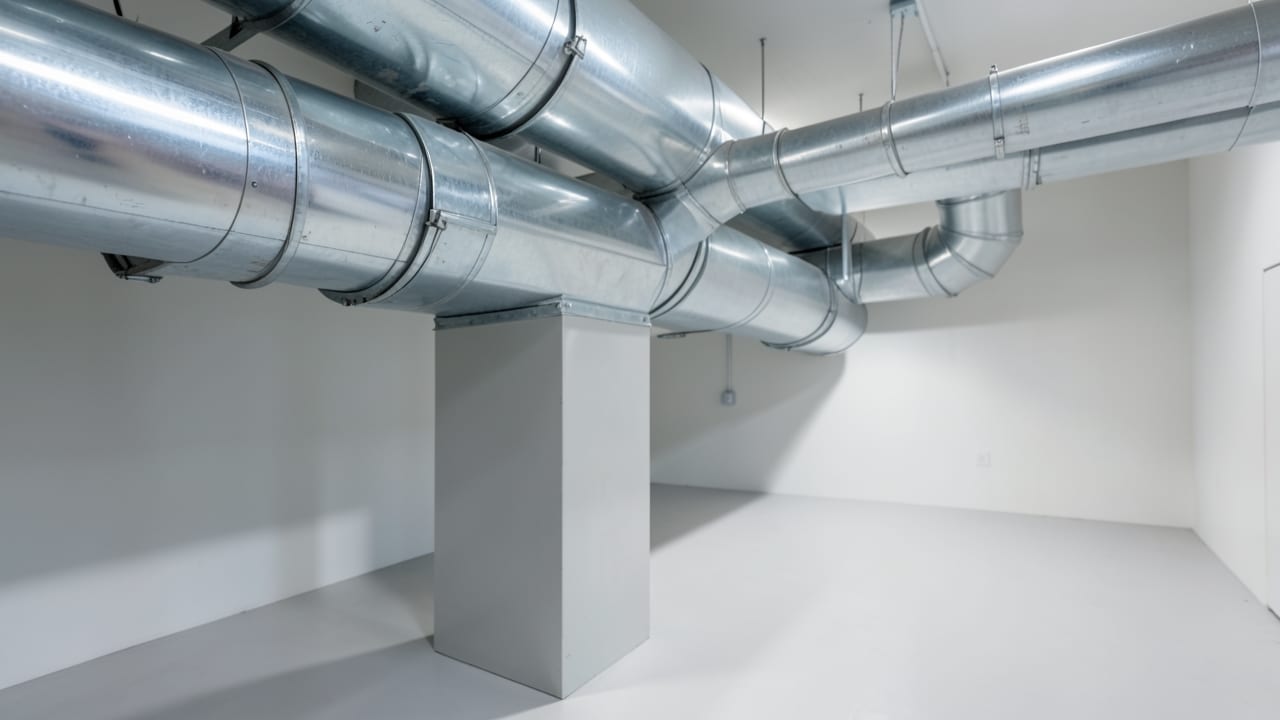
HVAC Mold Remediation in Randolph, MA
HVAC and ductwork mold remediation in Randolph, MA — mold growing inside the air handler or duct system, spreading through every vent.
Learn MoreCommon Questions About Mold Remediation in Randolph
Everything you need to know about mold remediation services in Randolph
How much does Tile & Grout Mold Cleanup typically cost in Randolph, MA?
Why does Randolph, MA's humidity make mold a bigger risk than in drier regions?
Can small mold problems be handled without hiring anyone?
What's the actual difference between mold removal and mold remediation?
Is a final clearance test part of a typical mold remediation job?
How does mold remediation actually prevent the problem from coming back?
Need Mold Remediation in Randolph?
Connect with local providers in Randolph for a detailed quote.
⏰ We answer your call • Serving all of Randolph and surrounding areas